Innovative Architectural Designs for Modern Living
Architecture is more than just the art of building; it is a reflection of our lifestyle, culture, and aspirations. As we move further into the 21st century, the demand for innovative architectural designs that cater to modern living has never been greater. This blog post explores some of the most exciting trends and concepts in contemporary architecture, showcasing how they enhance our daily lives and redefine our environments.
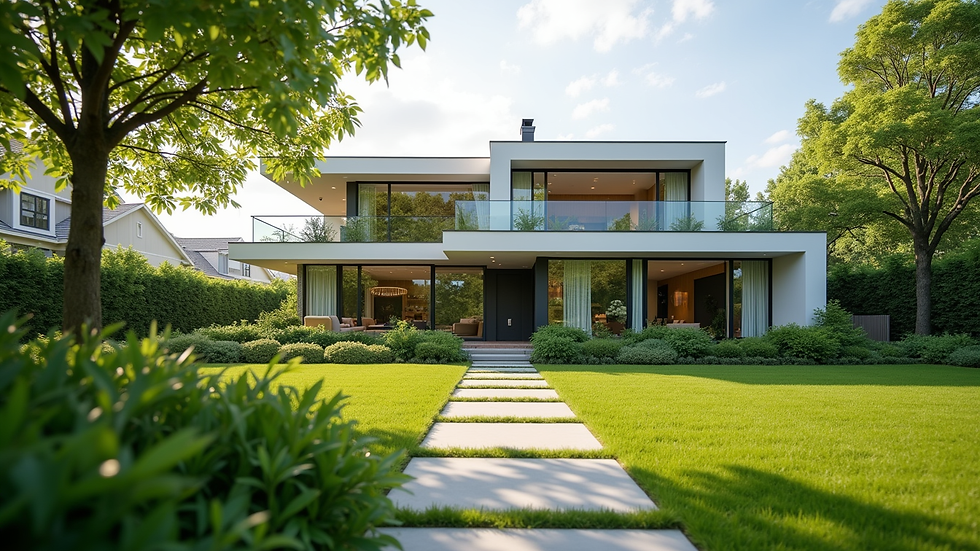
The Rise of Sustainable Architecture
Sustainability is at the forefront of modern architectural design. As climate change becomes an increasingly pressing issue, architects are focusing on creating buildings that minimize environmental impact. Here are some key aspects of sustainable architecture:
Energy Efficiency
Modern buildings are designed to consume less energy. This is achieved through:
High-performance insulation: Keeps buildings warm in winter and cool in summer.
Energy-efficient windows: Reduce heat loss and gain.
Renewable energy sources: Solar panels and wind turbines are increasingly common.
Use of Sustainable Materials
Architects are opting for materials that are not only durable but also environmentally friendly. Examples include:
Recycled materials: Such as reclaimed wood and recycled metal.
Bamboo: A fast-growing, renewable resource that is strong and versatile.
Low-VOC paints: These reduce indoor air pollution and are safer for occupants.
Green Roofs and Living Walls
Integrating nature into urban environments is a growing trend. Green roofs and living walls provide numerous benefits:
Improved air quality: Plants filter pollutants and produce oxygen.
Thermal insulation: Reduces energy costs by regulating building temperature.
Biodiversity: Supports local wildlife and creates habitats in urban areas.
Minimalism: Less is More
Minimalism has become a defining characteristic of modern architecture. This design philosophy emphasizes simplicity and functionality. Key features include:
Open Floor Plans
Open spaces promote a sense of freedom and flexibility. They allow for:
Natural light: Large windows and fewer walls create bright, airy environments.
Versatile living areas: Spaces can be adapted for various activities, from entertaining to working from home.
Neutral Color Palettes
Minimalist designs often utilize neutral colors, which help create a calm and serene atmosphere. This approach:
Enhances natural light: Reflects light and makes spaces feel larger.
Allows for personal expression: Homeowners can easily add their own decor without clashing with the overall design.
Functional Furniture
In minimalist homes, furniture serves multiple purposes. Examples include:
Murphy beds: Fold away to create more space when not in use.
Storage ottomans: Provide seating and hidden storage.
Smart Homes: The Future of Living
The integration of technology into architecture has given rise to smart homes. These homes are equipped with systems that enhance convenience, security, and energy efficiency. Key features include:
Home Automation Systems
Smart home technology allows homeowners to control various aspects of their living environment remotely. This includes:
Lighting: Adjust brightness and color temperature based on time of day.
Heating and cooling: Optimize energy use with programmable thermostats.
Security systems: Monitor homes with smart cameras and alarms.
Energy Management
Smart homes can track energy consumption in real-time, helping homeowners make informed decisions about their usage. This can lead to:
Cost savings: Reducing energy bills by identifying high-consumption appliances.
Environmental impact: Encouraging more sustainable living practices.
Enhanced Connectivity
With the rise of the Internet of Things (IoT), smart homes are becoming increasingly interconnected. This allows for:
Seamless integration: Devices can communicate with each other for improved functionality.
User-friendly interfaces: Homeowners can manage their systems through apps or voice commands.
Biophilic Design: Connecting with Nature
Biophilic design focuses on creating a connection between people and nature within built environments. This approach has several benefits:
Improved Well-being
Research shows that incorporating natural elements into design can enhance mental and physical health. Benefits include:
Reduced stress: Natural views and materials promote relaxation.
Increased productivity: Access to natural light and greenery can boost focus and creativity.
Natural Materials
Biophilic design emphasizes the use of natural materials, such as:
Wood: Provides warmth and a sense of connection to nature.
Stone: Adds texture and a timeless quality to spaces.
Indoor Gardens
Integrating plants into interior spaces can improve air quality and create a calming atmosphere. Options include:
Potted plants: Easy to maintain and can be placed throughout the home.
Vertical gardens: Create stunning focal points while maximizing space.
Adaptive Reuse: Breathing New Life into Old Structures
Adaptive reuse is a sustainable practice that involves repurposing existing buildings for new uses. This approach has several advantages:
Preservation of History
By transforming old structures, architects can preserve cultural heritage and maintain the character of neighborhoods. Examples include:
Converting warehouses into lofts: Retaining original features while creating modern living spaces.
Transforming churches into community centers: Providing valuable resources while respecting historical significance.
Environmental Benefits
Adaptive reuse reduces the need for new construction, which can be resource-intensive. Benefits include:
Lower carbon footprint: Minimizing waste and energy consumption associated with demolition.
Cost savings: Often more economical than building new structures from scratch.
Conclusion
Innovative architectural designs are reshaping modern living, making our environments more sustainable, functional, and connected. From sustainable practices to smart home technology, these trends reflect our evolving needs and desires. As we continue to embrace these concepts, we can look forward to a future where architecture not only meets our practical needs but also enhances our quality of life.
The next time you consider a home renovation or a new build, think about how these innovative designs can transform your living space into a sanctuary that reflects your values and aspirations.
Comments